

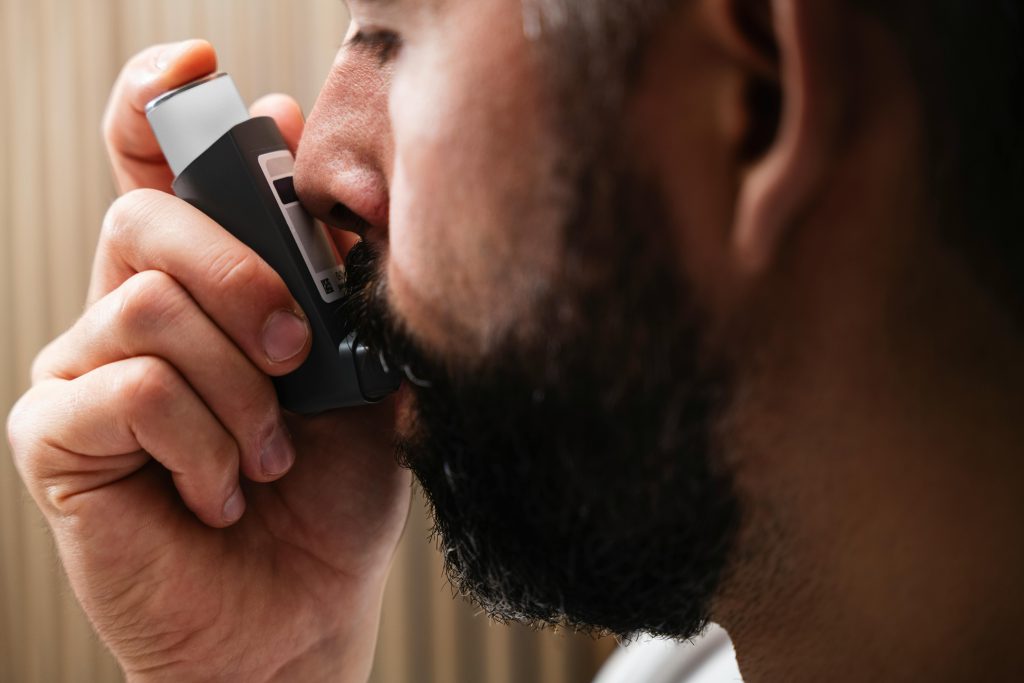
It may seem like everywhere you turn lately; someone has an allergy. Or asthma. Or both. There is a growing difference between awareness and assumption in all diseases, and that gap matters. With May being National Asthma and Allergy Awareness Month, this is the perfect time to talk about these respiratory and immune health conditions and how they aren’t trends, but diagnoses.
Asthma and allergies are real, often serious medical conditions. According to the Mayo Clinic (www.mayoclinic.org), asthma is “a condition in which your airways narrow and swell and may produce extra mucus,” making breathing difficult. Allergies, on the other hand, occur when the immune system reacts to a substance it mistakenly identifies as harmful. These are diagnoses, which are truths made by medical professionals after making specific conclusions and they matter, because the treatment also matters.
There has been a rise in self-diagnosis, fueled in part by social media trends. People are taking over-the-counter allergy medications, acid reducers, and other drugs without medical guidance. But even over-the-counter medications are still medications. They affect how your body functions. They can interact with other substances. They can mask symptoms that need proper evaluation. Taking medication without understanding why, is not prevention, it is risk. Self-diagnosing without seeing a medical professional isn’t prevention, it can be deadly.
Food Allergy Awareness Week (May 10–16) reminds us that for individuals with true food allergies, exposure can be life-threatening. This is not preference. This is not sensitivity. This is the immune system responding in a way that can lead to anaphylaxis: a medical emergency. Asthma, too, requires proper diagnosis and management. Untreated or poorly managed asthma can significantly impact quality of life and become dangerous.
There are also more complex conditions gaining attention, such as Mast Cell Activation Syndrome (MCAS), where the body releases excessive chemical mediators in response to triggers. While awareness is important, diagnosis should always come from qualified healthcare professionals, not social media algorithms. In fact, there are healthcare professionals on social media platforms are urging people to also heed this advice.
Another important truth: our immune systems can change over time. Allergies can develop, improve, or even disappear. That’s why ongoing care and proper testing matter. This conversation is not about dismissing symptoms, it’s about honoring them enough to seek real answers. Because when people casually claim conditions, they do not have, it can unintentionally minimize the lived experiences of those managing chronic illness every day. If you suspect asthma or allergies, start with your healthcare provider. Get evaluated. Ask questions. Build a plan that works for your body.
According to our local go-to the Vermont Department of Health, (www.myhealthvt.org), “Understanding your health conditions is the first step in managing them effectively.” That understanding starts with accurate information and trusted care. If you are experiencing symptoms that make you suspect your asthma or allergies, there are numerous ways to go about understanding how your body may be presenting this way. Some people feeling short of breath have concerns about asthma, only to find out they are struggling with heart issues, anxiety, or other non-airway related conditions. Others may believe that have a “rash,” from allergies only to find out they are presenting with a vascular issue that is completely unrelated to an allergic reaction. Self-medication for these conditions could cause harm and worsen your condition.
Those with asthma and allergies, who are using the healthcare system for support can learn more about how their health impacts other areas of their life. They can seek proper treatment, medications, and therapies that far exceed the results you will find from following an influencer and can increase the quality and sometimes quality of life. They also learn tools to help others help them, such are teaching your family or friends how to use an EpiPen if that is something you may need, talking to them about not using scents (this includes essential oils) and/or how certain food ingredients can make you sick. When it comes to asthma and allergies, what may seem like innocently wearing perfume or adding nuts to cookies can be a major danger to others. Talk to each other about what may be something that isn’t safe for you! Let your friends, family and coworkers know if you have these conditions, after all your health condition isn’t a trend, it’s the truth! Your health and safety matters, even if others don’t fully understand.
This month let’s talk more about asthma and allergies. What they are and what they aren’t. Make appointments with your healthcare team if you need them. Reconsider the medications you are taking if you have “self-diagnosed,” and consider if they may be helping or hurting you. Think twice before adding scents, ingredients or just asking your friends and family if they have any allergies, this helps everyone stay safe. Having asthma and allergies isn’t a trend, having a diagnosis is the truth!