

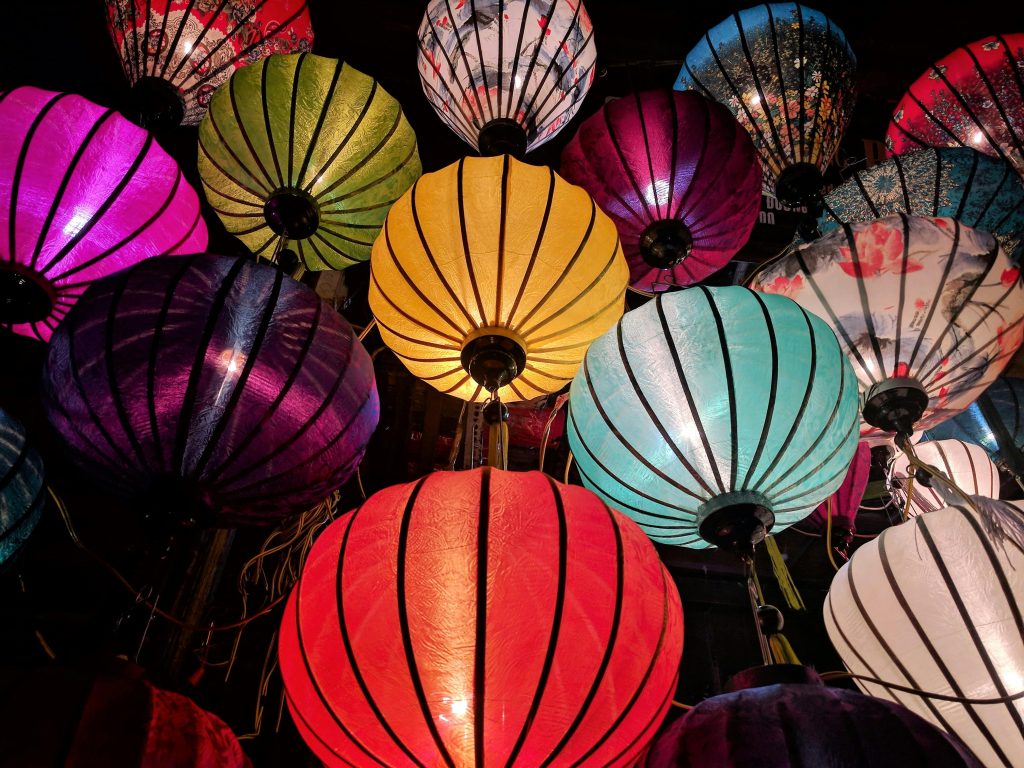
This time of year, it can often feel like a pause between chapters. The rush of the holidays has passed, winter still holds firm, and many of us are quietly looking for a sense of renewal that Spring brings. However, this week is a fresh start for many who celebrate the Lunar New Year! The Lunar New Year is a tradition that offers an opportunity to reflect on what renewal can look like, not through big resolutions or dramatic change, but through intention, balance, and respect for traditions that have supported health and longevity for centuries. Perhaps something that we can all appreciate during this season of perpetual winter and waiting.
In an educational column for school-aged kids, National Geographic’s website (https://education.nationalgeographic.org), talks about how this time and tradition got its name: “Although it is often referred to as Chinese New Year, it is celebrated far beyond China, and each country has its own traditions.” For this column, we will refer to it as the Lunar New Year, as celebrated across many countries. Customs and traditions vary, welcoming a new year based on the lunar calendar. What is also shared is the theme of honoring family and ancestors while setting intentions for health, prosperity, and harmony. It is one of the most important cultural celebrations of the year for millions of people worldwide.
At its core, Lunar New Year emphasizes renewal, not just of the calendar, but of daily life. UN Secretary-General Antonio Guterres shared his own press release and message for marking the importance of this time for courage, renewal, and shared commitment this Lunar New Year, (https://press.un.org) saying, “As we welcome the Year of the Horse, we celebrate a symbol of energy, success and the courage to forge ahead… May the spirit of the horse bring you health, happiness, and prosperity.” Showing the sentiments, value, and appreciation of this cultural tradition is growing far outside the normal Eastern cultures.
How does one prepare for the Lunar New Year? A deep clean (think our spring cleaning), to rid bad luck and welcome good luck. Decorations are key, focusing mainly on red décor. Red symbolizes the color of joy and good fortune! On the first day of Lunar New Year (this year it was February 17th), all brooms are stored away, so as not to sweep away any of the good luck that is coming in. This time is all about gatherings, connections, and celebrating longevity. This annual celebration is about value, respect, and understanding the benefits and well-being that family, friends, and good health bring to their lives. Something that many of us could certainly learn from!
In America, we pull knowledge and practices from cultures and traditions that have shown to enhance health, well-being, and longevity benefits. Afterall, Americans are known for their desire to look younger, feel better, and live longer. One of the practices associated with this type of mindset and outcome is Tai Chi. While Tai Chi originated as a Chinese martial art with deep philosophical roots, it is now widely practiced around the world for its health benefits that support strength, balance, flexibility, and mental clarity. Its slow, flowing movements encourage deep breathing, posture awareness, and calm focus. Today, Tai Chi in America is often recognized for its ability to reduce stress and improve balance for people of all ages.
Another meaningful element to Lunar New Year that is shared across cultures is an appreciation for tea. During Lunar New Year, tea is shared in gatherings, given as gifts, and represents hospitality and prosperity. Drinking tea together represents more than just the beverage; it is a time of pause and presence. The mere act of preparing and drinking tea encourages mindfulness, slowing down, noticing warmth, aroma, and taste, and creating space for conversation or quiet reflection. In a fast-paced world, these moments of intentional calm can be powerful tools for supporting mental and physical health.
The goal is never to imitate, but to appreciate and learn from these traditions and customs. While other cultures emphasize consistency, balance, and long-term well-being, in contrast to approaches focused on intensity or quick fixes, we can reflect on how mindful movement, deep breathing, and simple rituals contribute to health. These everyday habits, embedded in cultural values, demonstrate how the collective mindset and culture shape well-being. This is something we can learn from and strive for. This spirit of appreciation is at the heart of our upcoming Annual Tai Chi and Chai Tea Event at The Wellness on Wednesday, February 25. The gathering is meant as a respectful celebration of movement, mindfulness, and cultural learning. It’s an opportunity to experience the health benefits of Tai Chi, enjoy tea in a group experience, and acknowledge the traditions that have preserved these practices across generations.
As winter continues, consider what you may appreciate from this. Perhaps it’s just slowing down; slowing your breath, moving with intention, or finding moments of calm in your day. There is much learn from those who value connection, family, and longevity in this Lunar New Year. Prioritizing balance, pausing, welcoming an abundance of good luck, and treasured time that can last us all year long. This is the year of the Horse, an animal that is thought to be fast and furious; however, horses are also very intuitive and loyal. In the Chinese zodiac, the horse is traditionally associated with confidence, freedom, and movement. As the Lunar New Year begins, may we all embrace more of the passion and enthusiasm of the horse, the connection and balance of the traditions, and of course, welcome in more good luck. To those who celebrate and those who appreciate, may you find joy and renewal in the days ahead!